agents@dealhack$open this savings tip…
A Guide to Birding on a Budget
read
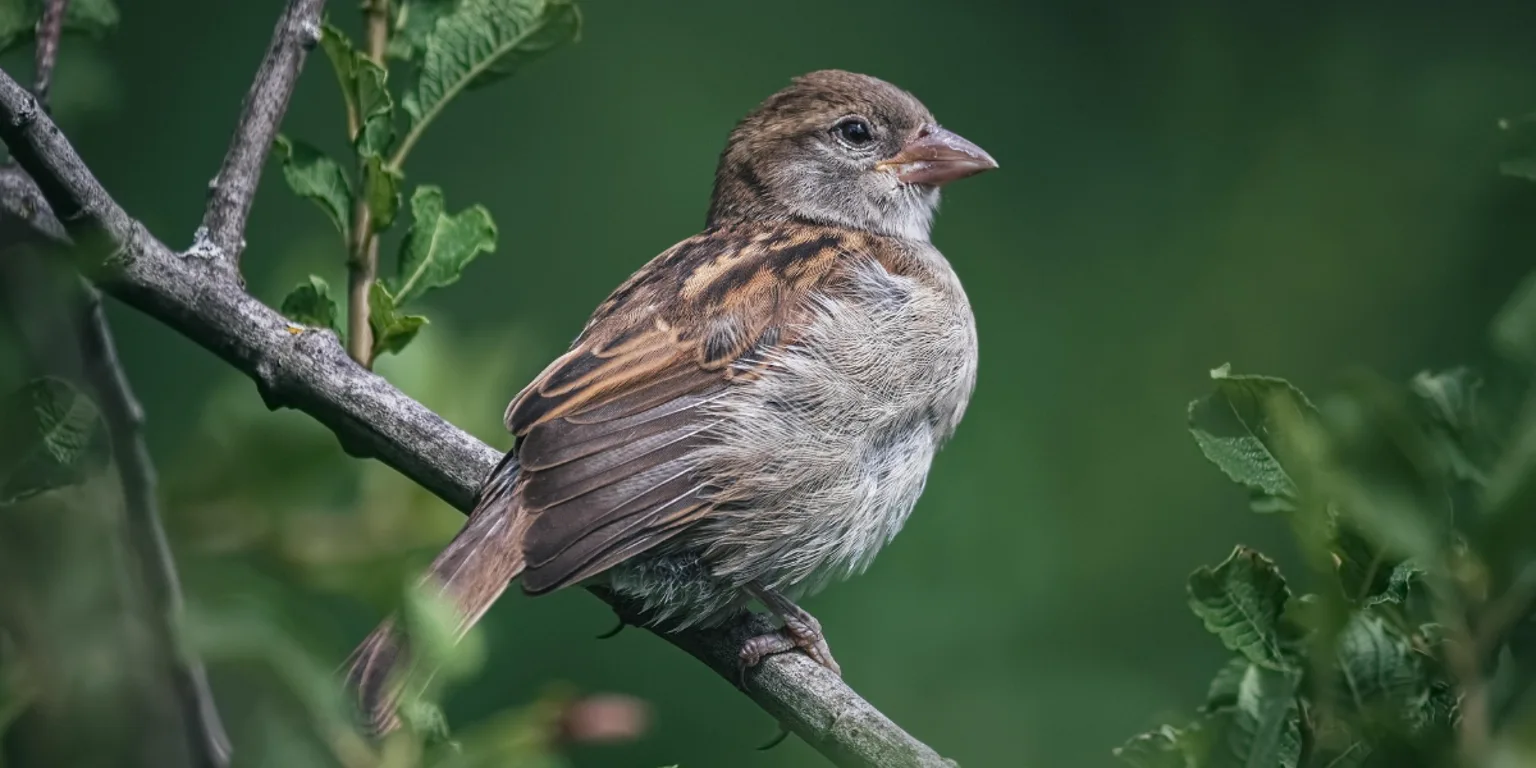
Birding is often touted as one of the most accessible and inexpensive hobbies available. Unlike other outdoor pursuits that can require specialized equipment or costly travel, birding requires very little to get started. Watching birds can be educational, and it also encourages you to be still and focus, making it a mindful activity that reduces stress. Best of all, you can get started birding at little to no cost.
Free and Low-Cost Activities
Observe Birds Locally
You don't have to travel to a national park to start birding. Your backyard, a local park, or even a tree-lined street can be full of life if you know how to look for it. Beginning locally helps you recognize common species and observe their behaviors up close. Short, frequent outings can also fit easily into busy schedules, turning an ordinary walk or coffee break into an opportunity for discovery.
Use Free Technology
Your smartphone can be your best birding companion. Apps like Merlin Bird ID by the Cornell Lab of Ornithology make it easy to identify species using just a photo, a few simple questions, or even a sound recording of a bird's song. With free, real-time tools like this, anyone can become a skilled birder, with no field course or pricey guide required.
Join Free Community Events
You don't have to bird alone. Many local nature centers, Audubon chapters, and community science groups host free bird walks, talks, and workshops throughout the year. These events offer a relaxed, supportive way to learn from experienced birders while exploring some of the best local birding spots. They're also a great way to meet new people who share your enthusiasm for wildlife.
Connect With a Birding Buddy
Many hobbies are better with company, and birding is no exception. Partnering with a friend or joining a small local club lets you share knowledge, swap tips, and split travel expenses like gas or parking. Having someone to celebrate a rare sighting with (or commiserate with over a missed one) makes the experience even better.
Budget-Friendly Gear and Equipment
Binoculars
If you're going to splurge on one item, make it your binoculars. A clear, comfortable pair can completely change your experience. Entry-level models with 8x42 or 10x42 magnification offer a great balance between power and ease of use. Shop around, and don't overlook used options: Local stores, online marketplaces, and gear exchanges often have excellent deals on secondhand optics.
Field Guide
Instead of buying a comprehensive guide covering all of North America, buy a regional field guide focused on your state or area. You'll only need to identify the birds you're likely to see, making the process simpler and far more rewarding. Used bookstores and thrift shops are gold mines for affordable guides in great condition.
Notebook
The simplest and cheapest tools for birding are a basic notebook and a pen. This serves as your field journal for recording details about your sightings, including each bird's size, color, behavior, habitat, and song. Keeping a log not only improves your identification skills but also turns your observations into a personal record of your discoveries.
Smart Travel Spending
Stay Local
Before booking a distant trip, see what's nearby. Many areas have incredible birding opportunities within an hour's drive, often in state parks or local wildlife refuges you've never visited.
Combine Trips
If you're already traveling to visit friends, attend a festival, or run errands in another town, build in some time to visit a nearby park or wildlife refuge. Birding becomes a free bonus during an existing trip.
Carpool
Traveling with friends cuts costs for gas, tolls, and parking and makes the drive more fun. You can trade stories, plan sightings, and maybe even spot something interesting from the passenger seat.
Additional Birding Resources
- eBird: This free global database, powered by the Cornell Lab of Ornithology, allows birders to record and share their sightings, contributing to a massive repository of citizen science data.
- Merlin Bird ID: A free, intuitive app can help you identify birds by photo or sound and provides detailed information on local species and where to find them.
- Guide to North American Birds: The National Audubon Society provides a comprehensive guide to common birds online as well as extensive educational articles on bird conservation, feeding, and habitat.
- Birding: How to Get Started: The U.S. Fish and Wildlife Service offers free information for birding beginners and guidance on why birding can be important.
- Bird Migration Forecast Maps: If you want to watch migrating birds pass by, check out these maps to see how good the viewing conditions will be.
- American Birding Association Checklist: This organization offers a free checklist of all bird species recorded in North America to help you keep track of the ones you've seen.
- Project FeederWatch: Birders can document and report the behavior of birds at their backyard feeders to help scientists.
- How to Do a Big Year on a Budget: Birders sometimes compete to see how many bird species they can see in a year, and this can be quite a big challenge. But you don't have to spend a lot of money to see a lot of birds.
- My Birding: This personal story explores how birding offers a powerful antidote to stress and the pressures of modern life.
- Birds of the World Species Database: An extensive ornithological database provides comprehensive information, histories, and taxonomy for every bird species globally.
- Birding Vacations: Even if you've decided to save up for a big trip to go birding, that doesn't mean you have to overspend. Find some tips for places to go that are a good deal.
- Tips for Wildlife Watching: See how you can increase the odds of having a good viewing experience while protecting the animals you watch.
- National Parks for Birding: The NPS website offers free educational materials on bird populations within national parks and can help you find a good place to visit and explore.
- Budget Telephoto Lenses for Bird Photography: A good zoom lens can help you capture great photos of your finds, but you don't have to buy an expensive lens to get good results.
- Urban Birding: Watching birds doesn't require you to go out into the wilderness. In fact, birds can be seen just about everywhere, including in cities.
- Birding Activity Guide: The National Wildlife Federation put together this simple guide to help you get started with birding.
- Wildlife Observation and Birding Tips: Read advice on ethical behavior, quiet movement, and timing observations to increase the odds of successful wildlife viewing in natural refuge areas.
- Birding Ethics Guidelines: The Maryland Ornithological Society provides essential ethical guidelines adopted from the American Birding Association for respecting wildlife, its environment, and other people during observation.
- Feeding the Birds: Birders of any age can attract more birds to watch by making and hanging up a feeder.